
The Hidden Cost of No-Shows in Pest Control Scheduling
No-shows quietly erode route density and profits in pest control. Learn root causes and prevention tactics like triage, ETAs, and rescheduling.
1) No-shows don’t just waste an hour—they break your day’s economics

In pest control, a missed appointment is rarely “just one stop.” It’s a cascade that lowers route density, forces deadhead driving, and leaves technicians underutilized. If a tech is scheduled for 8 stops and two no-show, you don’t lose only the service revenue—you also lose the ability to fill that capacity with nearby jobs. That reduction in route optimization can mean fewer completed tickets per day, higher fuel costs per completed job, and overtime later to catch up on recurring accounts.
The customer-facing impact is just as expensive. A no-show often triggers poor customer experience: uncertainty (“Are they coming?”), delayed relief, and diminished trust—especially for commercial sites that need treatment records for compliance. Worse, missed access can lead to repeat infestations, additional callbacks, and angry reviews that raise acquisition costs. Over time, no-shows increase churn, make forecasting unreliable, and strain field service operations because dispatchers spend more time firefighting than improving scheduling and service quality.
2) Diagnose the root causes: a practical no-show audit
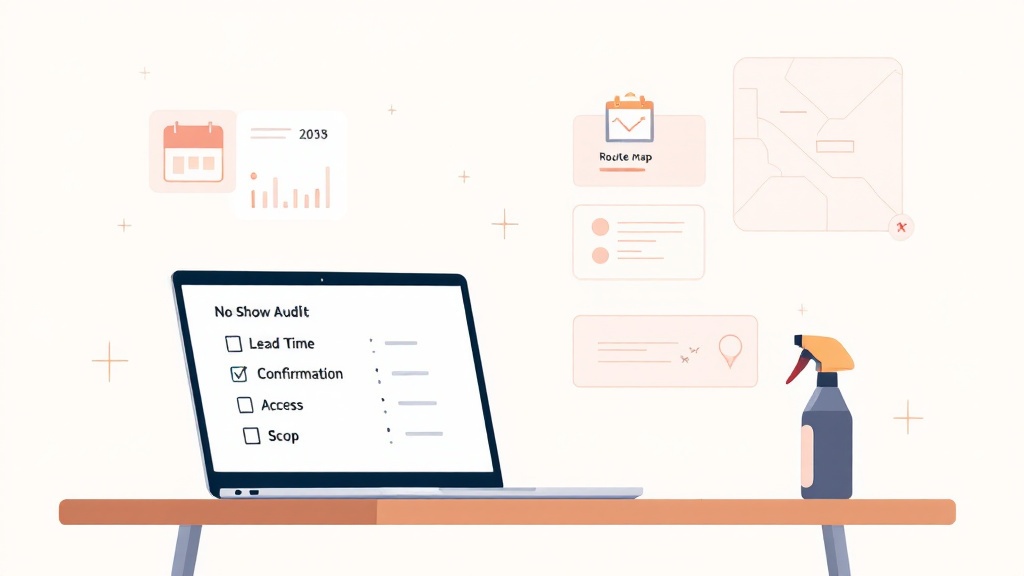
Reducing no-shows starts with treating them as a measurable operations problem, not bad luck. Run a simple audit for each missed appointment: lead time (booked same-day vs. two weeks out), confirmation status (confirmed, unconfirmed, or never reached), access details (gate code, parking, tenant coordination), and scope clarity (what pest, where, urgency). These four variables explain most no-show patterns in field service operations, and they translate directly into smarter scheduling rules.
Next, label no-shows by “preventability.” Unconfirmed long-lead bookings are often preventable with better reminders. Access failures are preventable with pre-visit checklists and required fields. Vague scopes (“bugs”) are preventable with a short triage that clarifies the pest type, affected areas, and whether occupants must be present. Finally, track outcomes: did the job reschedule, churn, or turn into a callback? This connects no-show causes to revenue, customer experience, and recurring service retention—making prioritization obvious.
3) Proven prevention tactics: triage forms, ETA visibility, and easy rescheduling
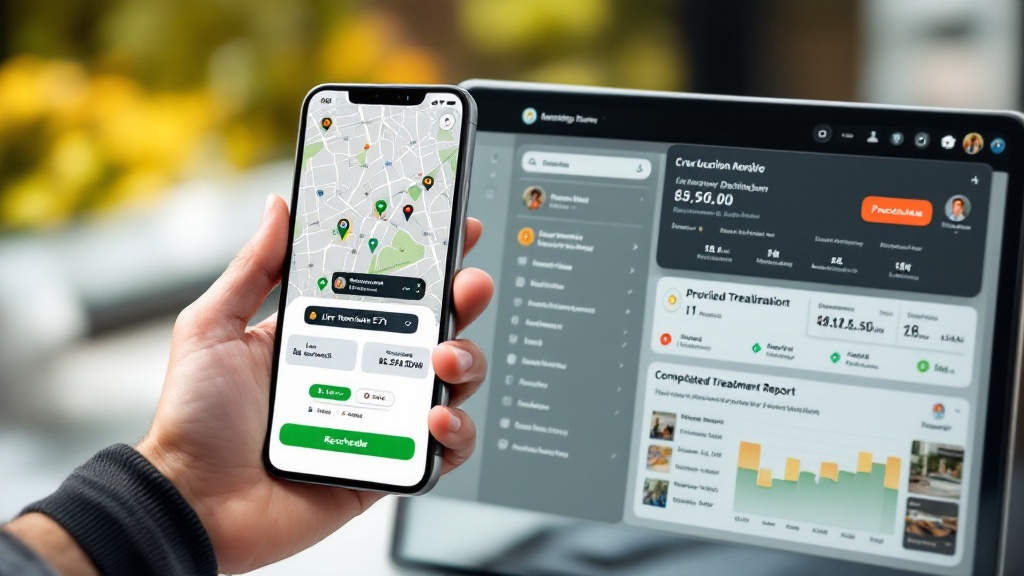
The best no-show prevention tactics reduce uncertainty for both sides of the marketplace. Start with a short triage booking form: pest type, exact location (kitchen, attic, unit number), photo upload, and access requirements. This improves scope clarity, enables better job matching, and supports route optimization by reducing “surprise” visits that run long. Pair triage with proactive confirmations—two-step reminders (24 hours and 2 hours) and a “reply to confirm” option to catch uncommitted appointments early.
Next, provide real-time ETA visibility. When customers can see arrival updates, they’re more likely to be available and less likely to abandon the appointment. For operators, a dispatch view that assigns technicians, optimizes routing, and shares ETA links protects technician utilization and stabilizes field service operations. Finally, make rescheduling frictionless: one-tap “need to reschedule,” instant alternate windows, and clear cancellation policies. Combine that with on-site documentation (photos, chemical logs, signatures) to strengthen proof-of-service and compliance. Tools like PestPilot Booking operationalize these tactics—turning scheduling into a reliable, trust-building customer experience.